Siatica, its causes and treatment

INTRODUCTION
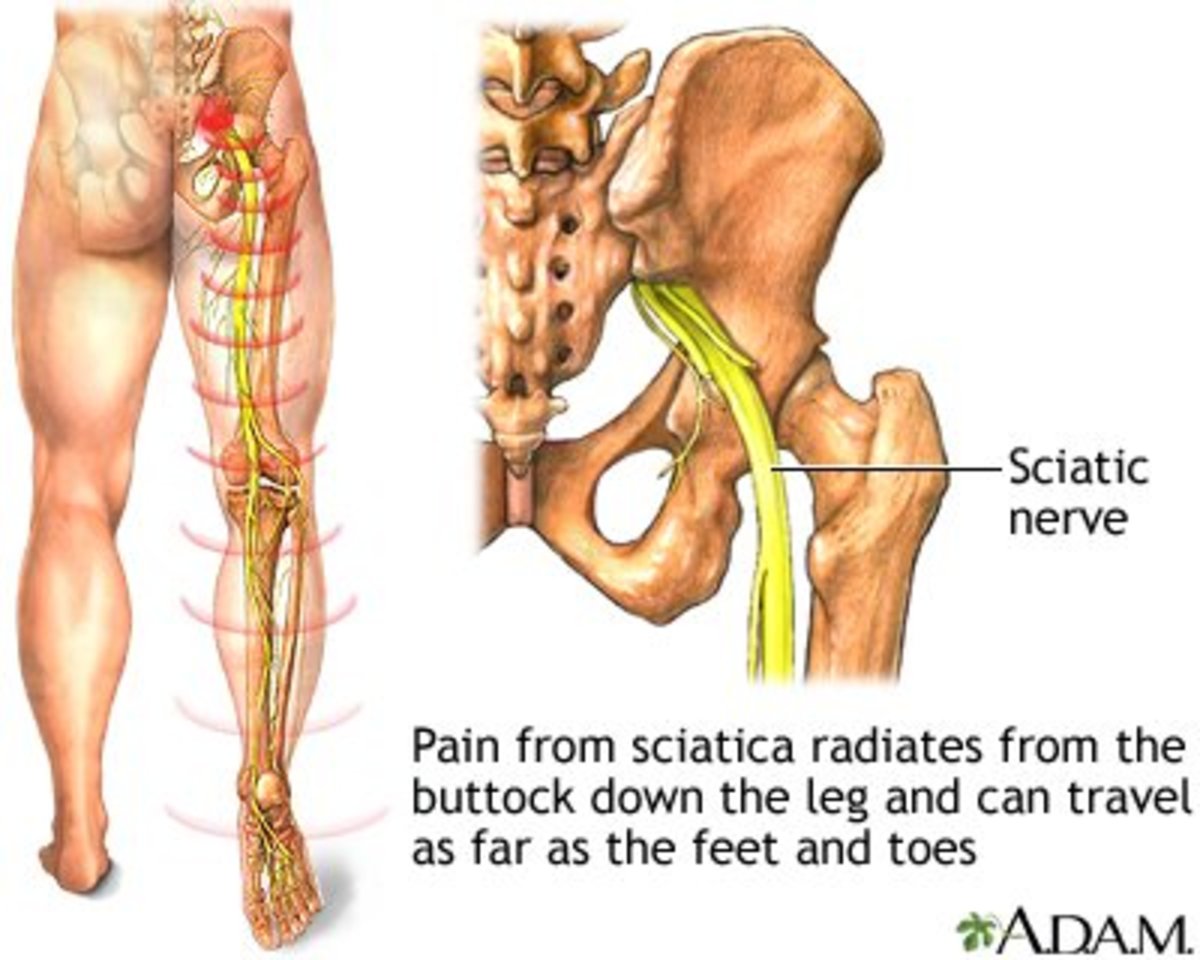
Sciatica is one of those conditions that is very difficult to ignore when it occurs, it can be very painful. Typical symptoms include shooting pain, aching or tingling down either the back, front or side of one leg, buttock pain, and sometimes back pain. Sometimes there is weakness in one leg. The symptoms can be unremitting and very painful.More serious symptoms include loss of sensation around the genital area and difficulty passing water or opening the bowels.
CAUSES OF SCIATICA
Siatica is a collection of symptoms rather than a specific disease and is caused by abnormal pressure on the sciatic nerve, either at its root (bottom of the spine) as in a prolapsed disc or spinal tumour, or somewhere along the upper part of the nerve such as in piriformis syndrome or sacroiliac strain.
The Spine
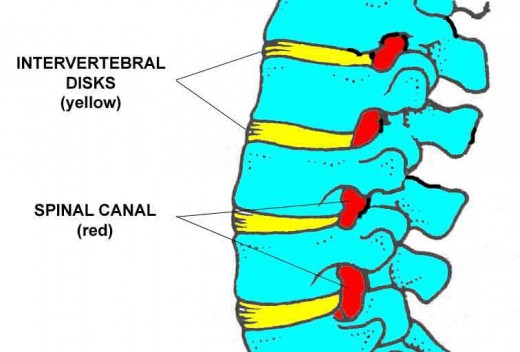
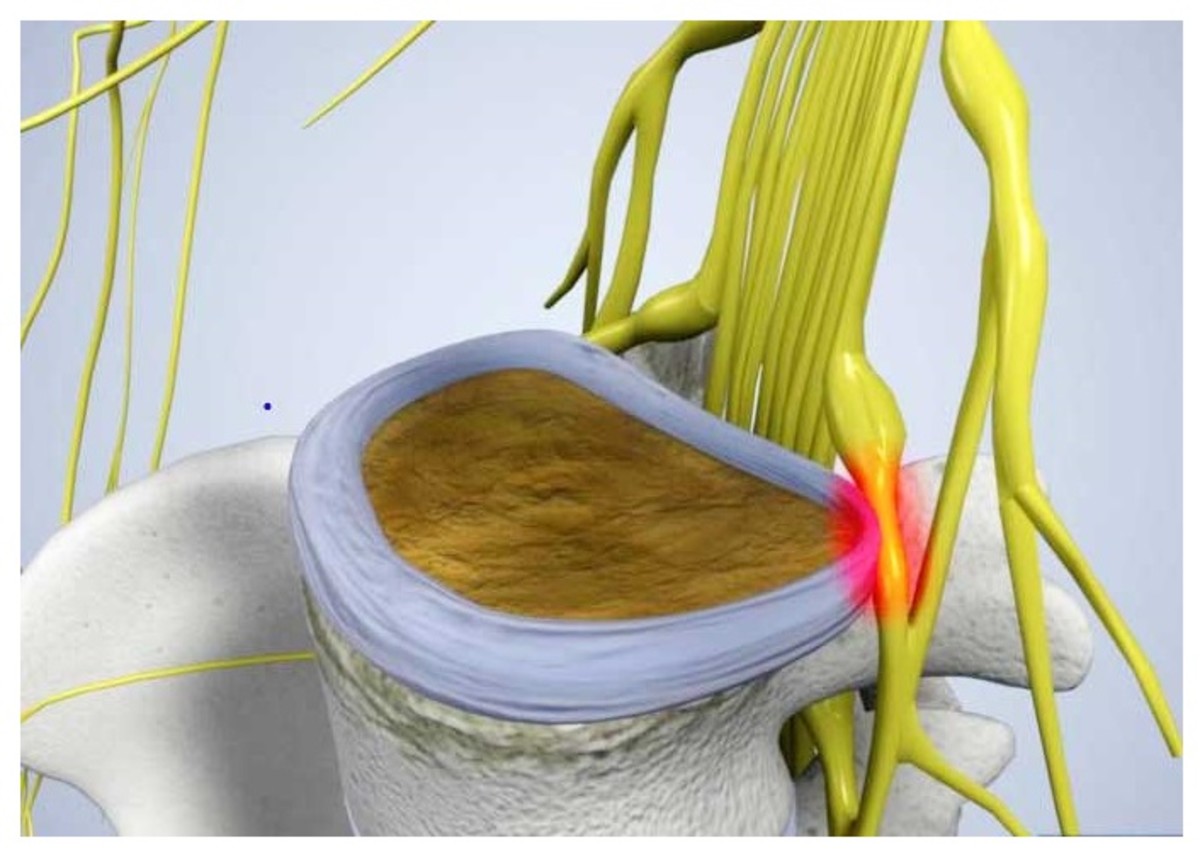
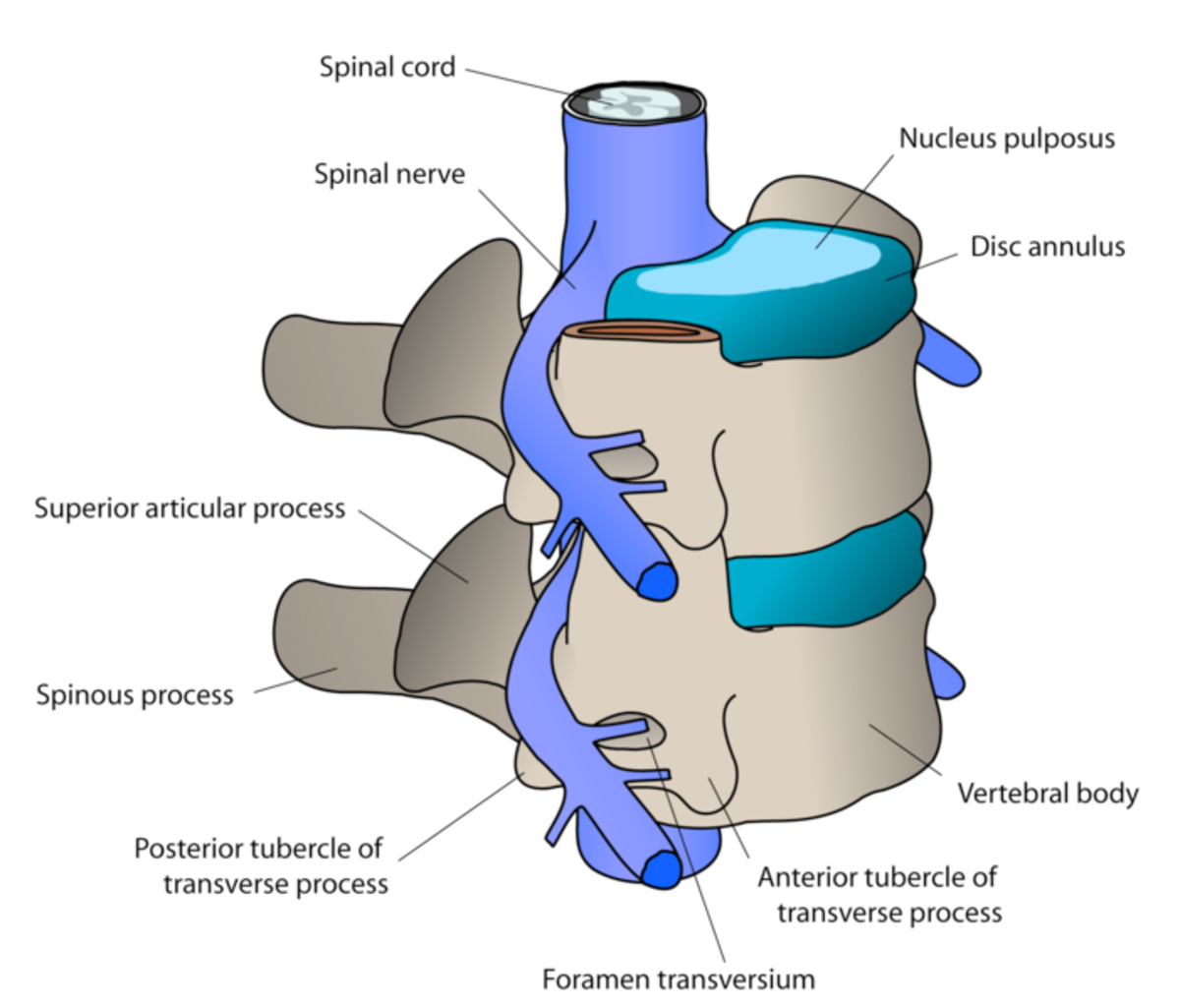
In young adults the most common cause of sciatica is a prolapsed disc near the bottom of the spine (the lumber region; see figure-1). It is possible for this disc to rupture as a result of lifting, twisting or bending and the jelly-like contents to leak out. If this puts pressure on ligaments or nerves such as the siatic nerve it can give rise to pain, and the person is said to have a prolapsed disc.As we age the internal jelly hardens and the thick casing becomes stronger so that a prolapse is less likely to occur.The best treatment is Acupuncture, your doctor may recommend pain killers and physiotherapy. The manipulative therapies are best avoided for this condition. If nothing is working after 6 weeks your doctor may recommend surgery - a discectomy - to remove part of the offending disc.
In older people the cause is more likely to be osteoarthritis or spinal stenosis. Osteoarthritis is a type of degeneration of the cartilage and underlying bone, common in older age. Spinal stenosis involves a narrowing of the spinal canal thus affecting the spinal nerves.Treatment: Pain can be treated by acupuncture or drugs (see your doctor). Surgical intervention may be necessary in spinal stenosis to widen the canal.
Piriformis syndrome is a common and less serious cause of sciatica. Essentially the piriformis muscle envelopes the sciatic nerve in the buttock area and this muscle can become tight in someone of any age causing sciatica. Treatment involves acupuncture or deep massage of the buttocks.
It is also possible to strain the sacroiliac joint, which lies between the sacrum and the ileum (hips) and cause sciatica. This occurs as a result of the wear and tear of life.
A very rare cause of sciatica is an intraspinal tumour, usually as a result of previous cancer. Treatment involves specialist hospital care (surgery of chemotherapy).
TREATMENT
As you can see, sciatica is a name for a collection of symptoms with more than one cause. It is therefore important to get a good diagnosis from you doctor before deciding on the best treatment approach. This might involve having further tests such as x-rays or MRI scans. The best treatment depends on the cause and possible solutions have been included in the text above. There is much more information on this in the link below (see Links).
Useful links
- Siatica, causes and treatment
The definitive guide to symptoms, causes and treatment of siatica. Both conventional and alternative treatments are discussed. - Acupuncture treatment in the Swindon, Marlborough & Newbury areas
swindon acupuncture clinic offers acupuncture, chinese herbal medicine, cosmetic acupuncture (facial rejuvenation)in the swindon, marlborough, hungerford and newbury areas. Surgery locations include wanborough, lambourn and ramsbury